Serving the Numerical Simulation community since 1989
Strategies for the democratization & standardization of recurring simulation tasks via ESRD’s CAE Handbook will be demonstrated.
Standardize Recurring Analysis and Process Workflows Using FEA-Based Simulation Apps
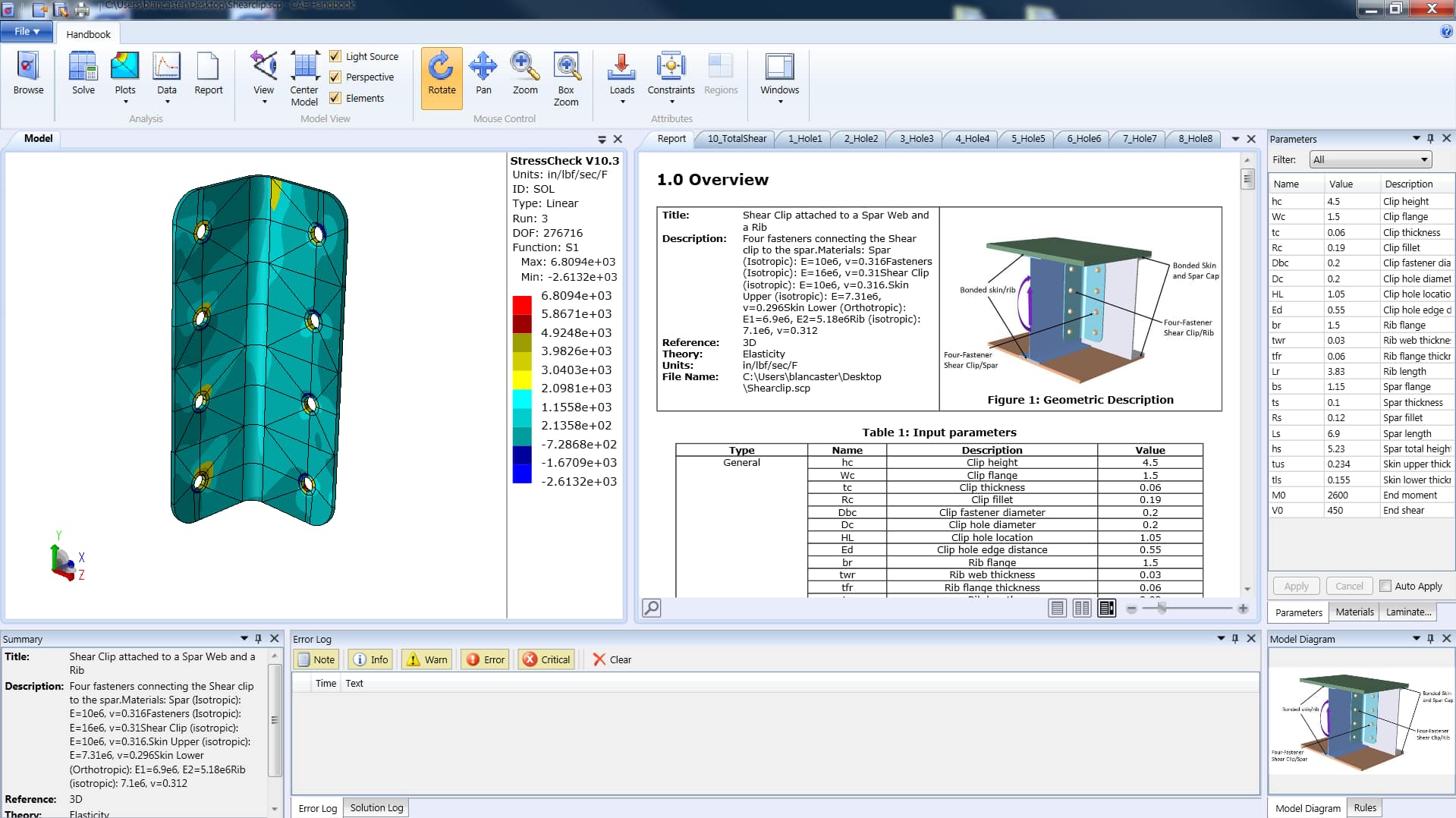
ESRD’s CAE Handbook
WEBINAR SUMMARY
In this 45-minute webinar, hosted by the Altair Partner Alliance (APA), we will discuss how ESRD’s CAE Handbook modernizes and streamlines the implementation of digital engineering handbooks for the standardization of corporate process workflows.
WEBINAR HIGHLIGHTS
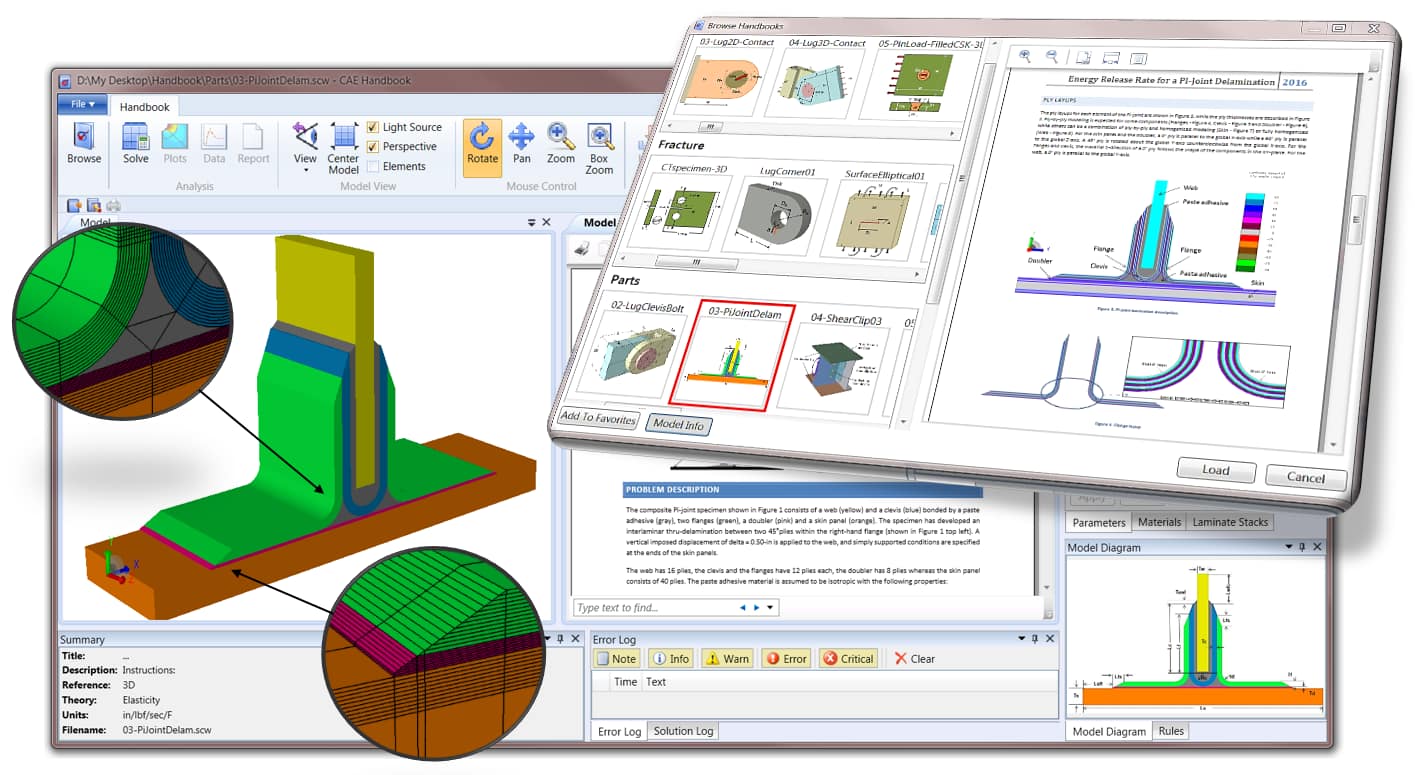
The CAE Handbook framework allows for the corporate standardization of many engineering computational simulations. This is done by allowing companies to build an electronic or digital handbook models that captures corporate intellectual property. This enables non-FEA experts to solve many basic simulations that historically have been simplified in the form of Microsoft Excel engineering computation spreadsheets, and internally developed engineering programs that are only fully understood by the engineers who develop them. CAE Handbook guarantees consistent results and provides an objective measure of the quality of the solution.
Topics covered include:
- CAE Handbook software overview
- Live demo
- Live audience Q&A
WATCH THIS WEBINAR
To watch this webinar recording, click the button below and you will be re-directed to the Altair Partner Alliance webinar recording page:

Interested in a Demo, Evaluation or Purchase?



Have a Software Question, Issue or Feature Request?